Author: info

  • Cómo elegir andadera, bastón o silla de ruedas: guía en español

    Cómo elegir andadera, bastón o silla de ruedas: guía en español

    Elegir el equipo de movilidad correcto puede ser confuso. Esta guía explica, de forma general, para qué sirve cada tipo de equipo, para que pueda hablar con su médico o terapeuta con más confianza. En Mudallalah DME, en Plano, Texas, hablamos español y con gusto le ayudamos a elegir.

    Bastón

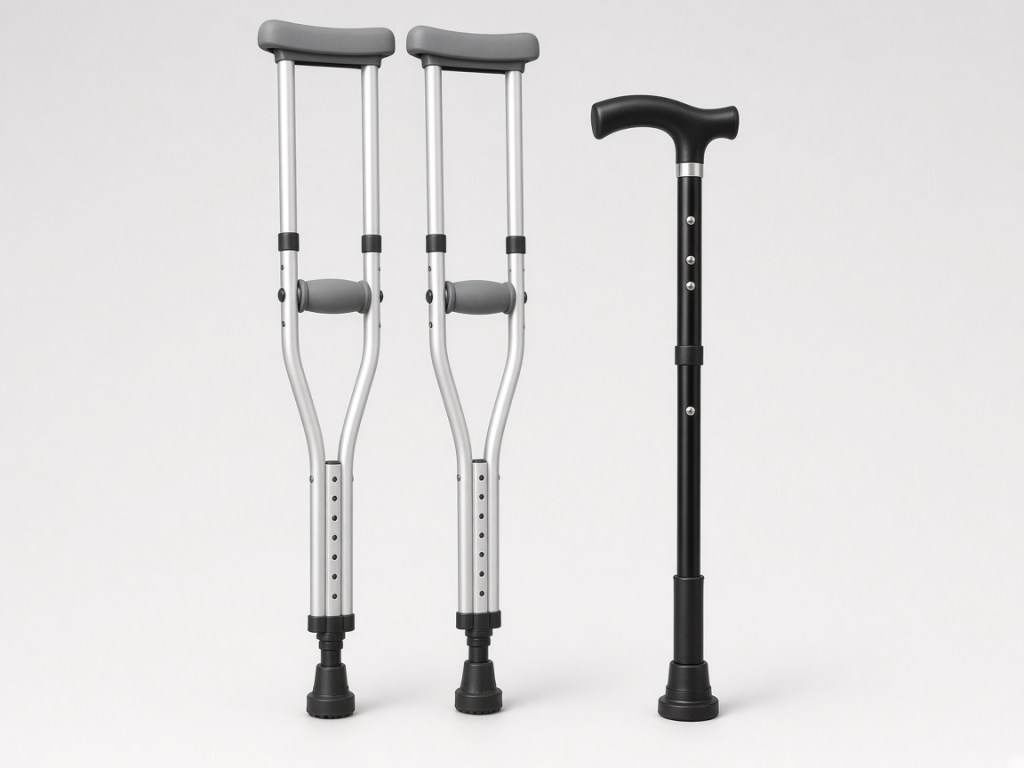
    El bastón ofrece un apoyo ligero para el equilibrio. Se usa normalmente en la mano del lado opuesto a la pierna más débil. El mango debe quedar a la altura de la muñeca cuando usted está de pie con el brazo relajado.

    Muletas

    Las muletas quitan peso de una pierna, por ejemplo después de una lesión o cirugía. Deben quedar unos dos o tres dedos por debajo de la axila, y el peso se apoya en las manos, no en las axilas.

    Andadera (andador) y andador con ruedas

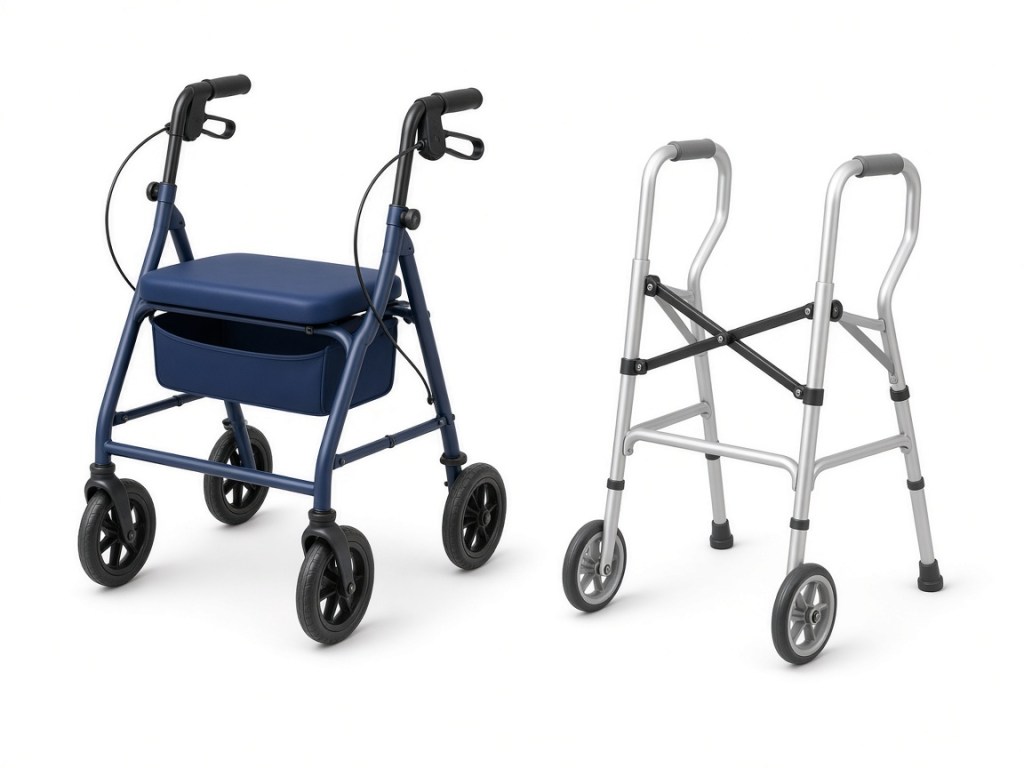
    La andadera estándar tiene cuatro patas y da más estabilidad cuando se necesita apoyarse. El andador con ruedas (rollator) tiene frenos de mano y, por lo general, un asiento para descansar; es mejor para caminar distancias más largas si usted tiene buen equilibrio. Lea más en nuestra guía en inglés Walker vs. Rollator.

    Silla de ruedas

    La silla de ruedas manual es útil cuando caminar distancias largas no es seguro o posible. Al elegir, considere el ancho del asiento, el peso de la silla, si se dobla para el carro y quién la va a empujar.

    Preguntas para su médico o terapeuta

    • ¿Necesito apoyarme en el equipo o solo ayuda para el equilibrio?
    • ¿Lo usaré dentro de la casa, afuera o en ambos lugares?
    • ¿Puedo usar frenos de mano con seguridad?
    • ¿Qué medidas y qué capacidad de peso necesito?

    Cómo ordenar con nosotros

    Los bastones y muletas, las andaderas y andadores con ruedas y las sillas de ruedas están disponibles para ordenar. Enviamos a la mayoría de los estados de EE. UU.; contáctenos para confirmar el suyo. Aceptamos solo pago directo: efectivo, tarjeta de crédito o débito, Zelle o cheque. Llame al (214) 972-9830, de lunes a viernes de 10 a. m. a 6 p. m.

    Este artículo es información general y no es consejo médico. Consulte a su médico o terapeuta sobre lo que es adecuado para usted. Algunos artículos pueden requerir receta. Use los productos solo según las instrucciones del fabricante y de su clínico. Vea nuestro Aviso médico (en inglés).
  • Bathroom Safety Checklist for Seniors

    Bathroom Safety Checklist for Seniors

    Wet floors, hard surfaces and getting up and down make the bathroom a common place for slips. A few changes can make it safer for an older adult or anyone recovering from surgery. Use this checklist as a starting point, and ask an occupational therapist if you want a personalized home safety review.

    Shower and tub

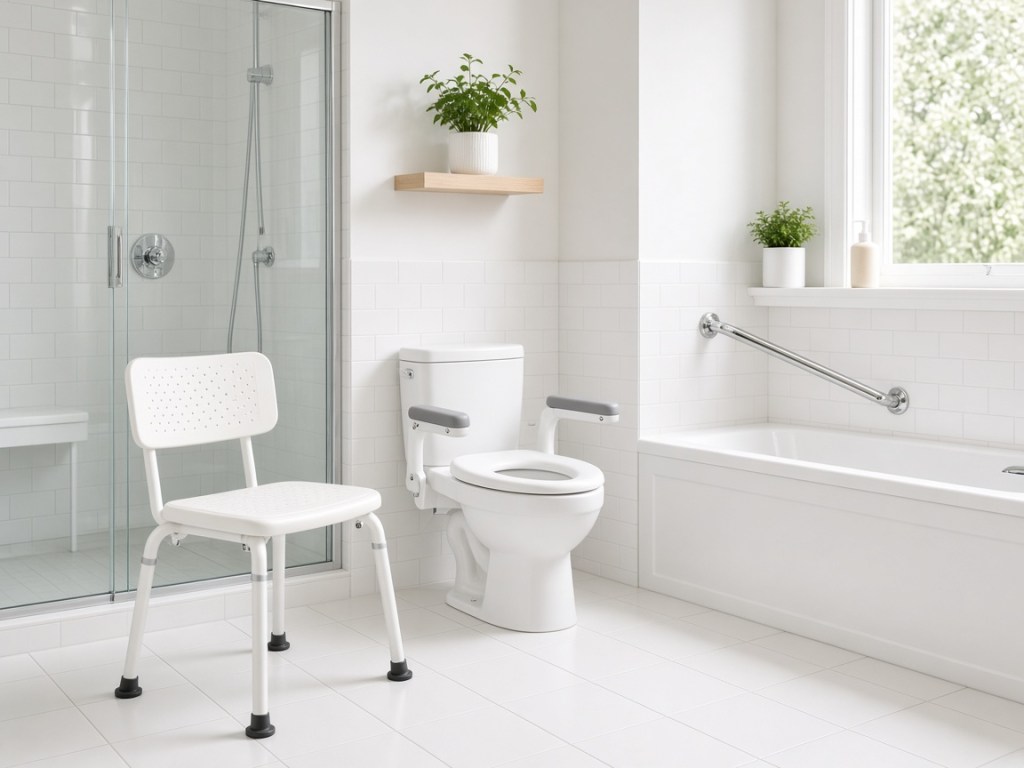
    • A shower chair or bath bench, so bathing can be done seated.
    • A non-slip mat or adhesive strips inside the tub or shower.
    • A handheld shower head that reaches someone who is seated.
    • Grab bars installed into wall studs near the entry and inside the shower. Towel bars are not built to hold body weight.
    • Toiletries kept within easy reach, so no one has to stretch or bend far.

    Toilet

    • Toilet safety arms or a frame to help with sitting and standing.
    • A raised toilet seat if getting up from a low seat is hard.
    • Toilet paper within reach without twisting.

    Floor and lighting

    • Bath rugs with non-slip backing, or no loose rugs at all.
    • A night light for the path from the bedroom to the bathroom.
    • Light switches easy to reach from the doorway.
    • Wipe up water right away.

    Habits that help

    • Sit down to dry off and dress.
    • Keep a phone or call device nearby.
    • Set the water heater to a safe temperature to avoid scalding.
    • Leave the door unlocked if a caregiver may need to help.

    Shower chairs, toilet safety arms, grab bars and more are on our bath safety equipment page. If walking to the bathroom is also a challenge, see walkers and rollators.

    Need help choosing?

    Mudallalah DME is based in Plano, Texas. Bath safety items are available to order, and we ship to most U.S. states. Contact us to confirm yours. We accept self-pay only: cash, credit or debit card, Zelle, or check (payment details). Call (214) 972-9830, Monday to Friday, 10 AM to 6 PM, or request equipment online. Hablamos español. نتحدث العربية.

    This article is general information, not medical advice. Please consult your doctor or therapist about what is right for you. Some items may require a prescription. Use products only as directed by the manufacturer and your clinician. See our Medical Disclaimer.

  • Knee Brace Types Explained: Sleeves, Hinged and More

    Knee Brace Types Explained: Sleeves, Hinged and More

    Knee braces come in several styles, from simple sleeves to braces with rigid hinges. The right one depends on what your doctor or therapist recommends, your activity level and how the brace fits. Here is a plain-language overview of the most common types.

    Knee sleeves (compression sleeves)

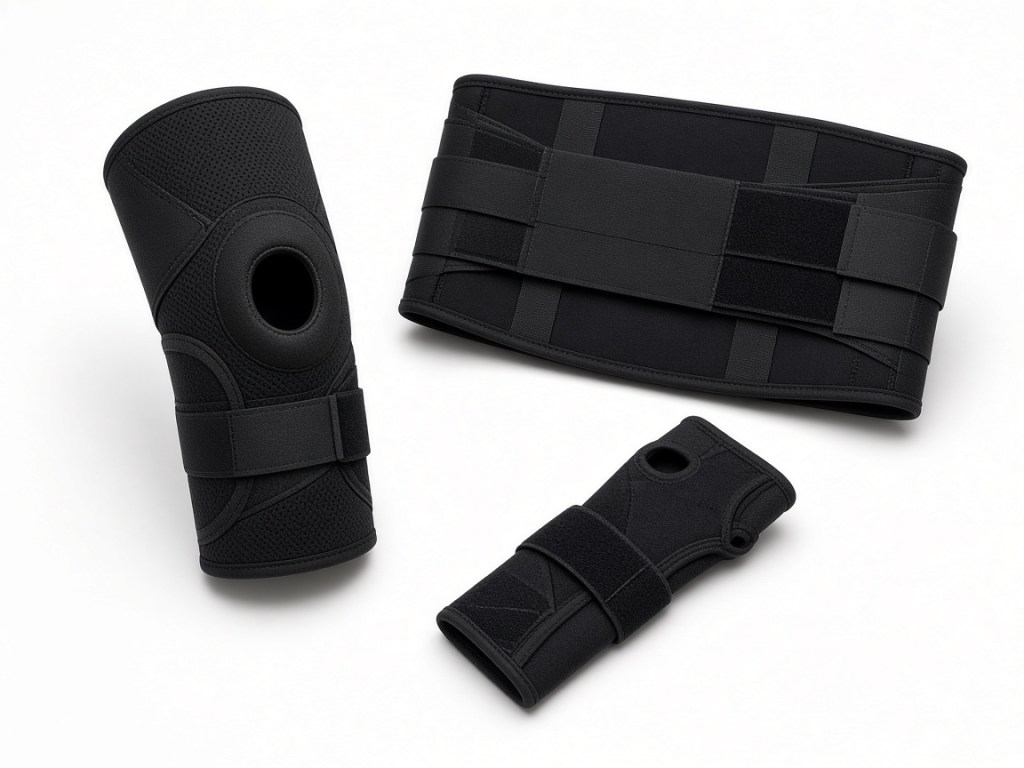
    A sleeve is a stretchy tube that pulls on over the knee. It gives light compression and warmth and is often chosen for mild everyday support. Sleeves are low-profile and fit under most clothing.

    Wraparound braces

    Wraparound braces open fully and close with straps, so you can put them on without pulling them over your foot. They are easier to adjust and helpful for people who have trouble with pull-on styles.

    Patella (kneecap) braces and straps

    These braces have an opening or a pad around the kneecap, or a narrow strap below it. They are designed to help support the kneecap area during movement.

    Hinged knee braces

    Hinged braces have metal or plastic supports on one or both sides of the knee. They offer more structure and are often recommended during recovery when a clinician wants extra side-to-side support. Some hinged braces are prescription items.

    Tips for a good fit

    • Measure where the brace size chart says, usually around the thigh or knee, with a soft tape measure.
    • A brace should feel snug but should not pinch, cause numbness or change skin color.
    • Wear it as your clinician directs, and check your skin regularly.
    • If you are between sizes, ask us before ordering.

    We also carry back, wrist and ankle braces. See all braces and supports, or walking boots for foot and ankle protection.

    Need help choosing?

    Mudallalah DME is based in Plano, Texas. Braces and supports are available to order, and we ship to most U.S. states. Contact us to confirm yours. We accept self-pay only: cash, credit or debit card, Zelle, or check (payment details). Call (214) 972-9830, Monday to Friday, 10 AM to 6 PM, or request equipment online. Hablamos español. نتحدث العربية.

    This article is general information, not medical advice. Please consult your doctor or therapist about what is right for you. Some items may require a prescription. Use products only as directed by the manufacturer and your clinician. See our Medical Disclaimer.

  • Walker vs. Rollator: How to Choose the Right One

    Walker vs. Rollator: How to Choose the Right One

    Walkers and rollators both help people stay steady on their feet, but they are built for different needs. Knowing the difference makes it easier to have a useful conversation with your doctor or physical therapist and to pick an aid you will actually use.

    What is a standard walker?

    A standard walker is a lightweight frame with four legs. Some have no wheels and must be lifted with each step; others have two front wheels so the walker glides forward while the back legs provide grip. Standard walkers are often suggested when someone needs to lean on the frame for support, for example while regaining strength.

    What is a rollator?

    A rollator has three or four wheels, hand brakes and, on most four-wheel models, a built-in seat. It rolls continuously, so walking feels more natural, and the seat gives you a place to rest. Because it moves freely, a rollator usually suits people who have reasonable balance and can work the brakes.

    Walker or rollator: quick comparison

    • Support: a standard walker offers more stability for leaning; a rollator is better for steady walking at a normal pace.
    • Wheels: no wheels or two front wheels on a walker; three or four wheels on a rollator.
    • Brakes and seat: rollators have hand brakes and often a seat and basket; walkers usually do not.
    • Where you will use it: walkers fold flat for tight spaces; rollators handle longer distances, stores and sidewalks.
    • Weight: walkers are usually lighter to lift into a car.

    How to size a walker or rollator

    Stand up straight in your usual shoes with your arms relaxed at your sides. The handles should line up roughly with the crease of your wrist, so your elbows bend slightly when you hold them. For a rollator with a seat, check that the seat height lets you sit with your feet flat on the floor. Also check the weight capacity against the user.

    Questions to ask your clinician

    • Do I need to lean on the aid, or mostly use it for balance?
    • Can I safely use hand brakes?
    • Will I use it mostly indoors, outdoors, or both?
    • Would a seat for resting help me?

    Not sure yet? Read more on our walkers and rollators page, or compare with crutches and canes if you need lighter support.

    Need help choosing?

    Mudallalah DME is based in Plano, Texas. Walkers and rollators are available to order, and we ship to most U.S. states. Contact us to confirm yours. We accept self-pay only: cash, credit or debit card, Zelle, or check (payment details). Call (214) 972-9830, Monday to Friday, 10 AM to 6 PM, or request equipment online. Hablamos español. نتحدث العربية.

    This article is general information, not medical advice. Please consult your doctor or therapist about what is right for you. Some items may require a prescription. Use products only as directed by the manufacturer and your clinician. See our Medical Disclaimer.